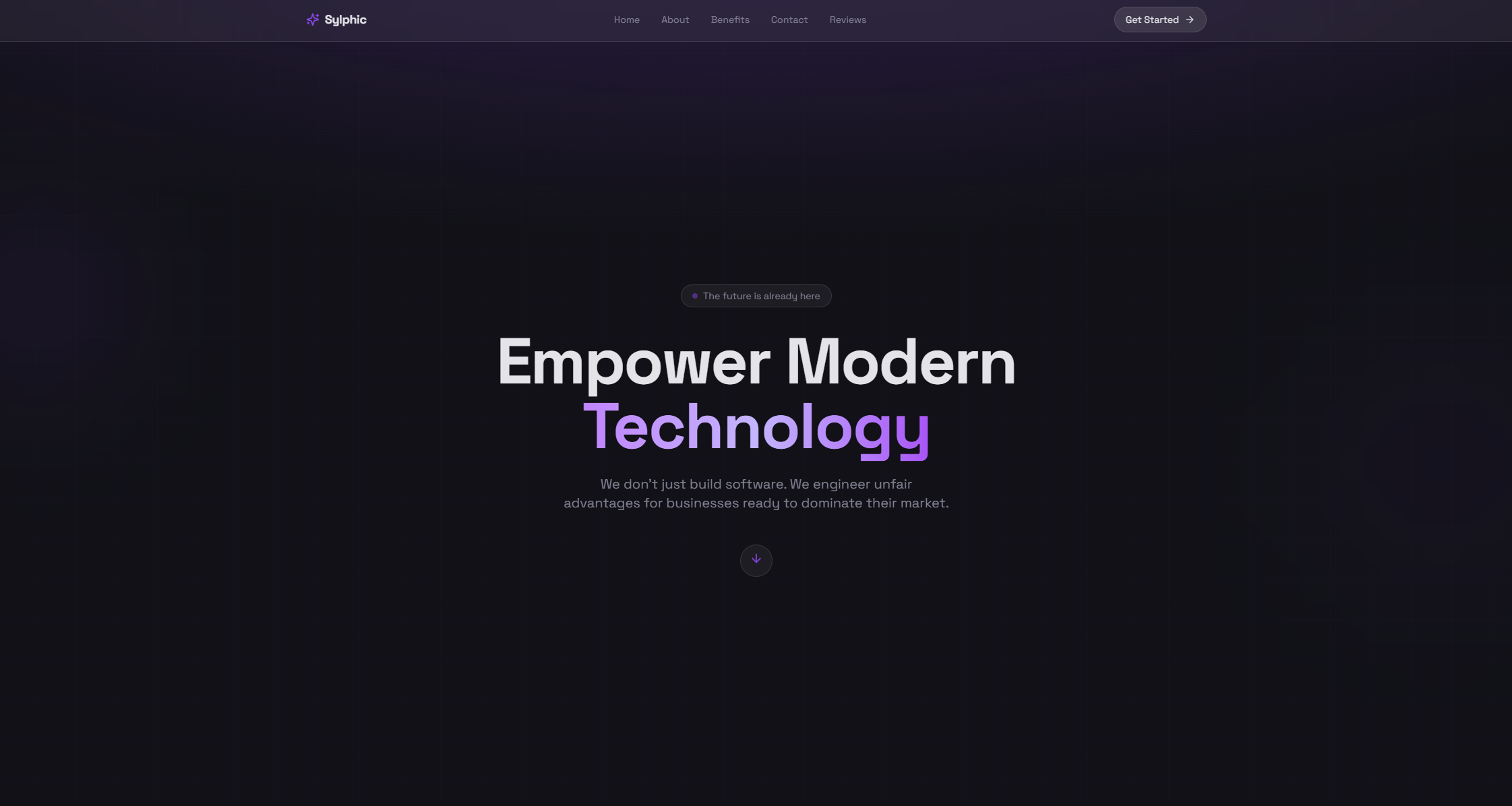
Sylphic
*Sylphic branding and design
Sylphic is an AI-powered data optimizer for blockchain networks, brought to me by KPMG Ventures as a working prototype in need of a product. My job was to take a genuinely complex piece of engineering and turn it into something people could understand, trust, and want to use. What started as design support grew into building the brand, the interface, and the go-to-market from the ground up.
The Brief
KPMG Ventures brought me in to help one of their AI-focused portfolio startups turn a technical prototype into a real product. Sylphic needed a visual identity, a usable interface, and a way to explain itself to people who weren't engineers.
The Team
I worked alongside a product manager and two developers as the creative lead on the project. I owned the design direction end to end, from brand through interface through the AI-assisted build.
My Role
I led design strategy and execution across brand identity, UI, and product build. I worked directly with the engineering team to translate a technical prototype into a clear, marketable product, then carried that through to a launch-ready V1 and marketing package.
Tools Used
Figma
Claude Code,
Envato Elements
Miro
Windsurf
Loveable.ai
Finding the Why
I came into Sylphic as a freelancer, no existing relationships, no ramp-up time. Just a working prototype and a team that needed a product built around it fast.
Starting Cold
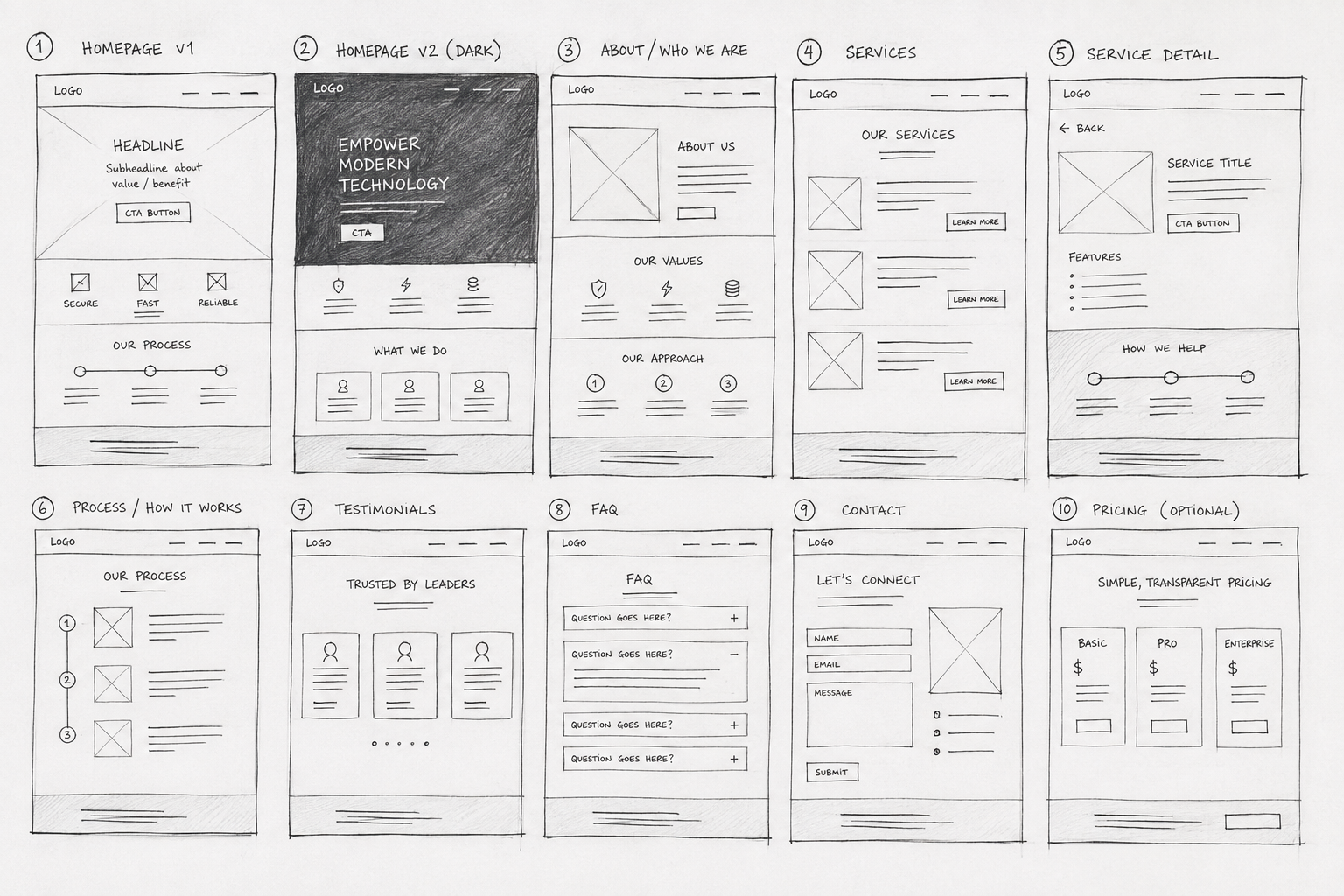
I sat down with the engineers to understand not just what Sylphic did, but why anyone would choose it. That conversation surfaced the real hook: faster, smarter data movement across blockchain networks, without the technical overhead.
Getting to the Why
The existing prototype reflected how the team thought, not how the target user thought. It was accurate, but it buried the benefit under complexity.
A Prototype Built for Engineers
Enterprise and Web3 teams don't want to think about compression algorithms. They want speed, reliability, and proof it works. That gap became the design brief.
Defining the Audience

Building the System
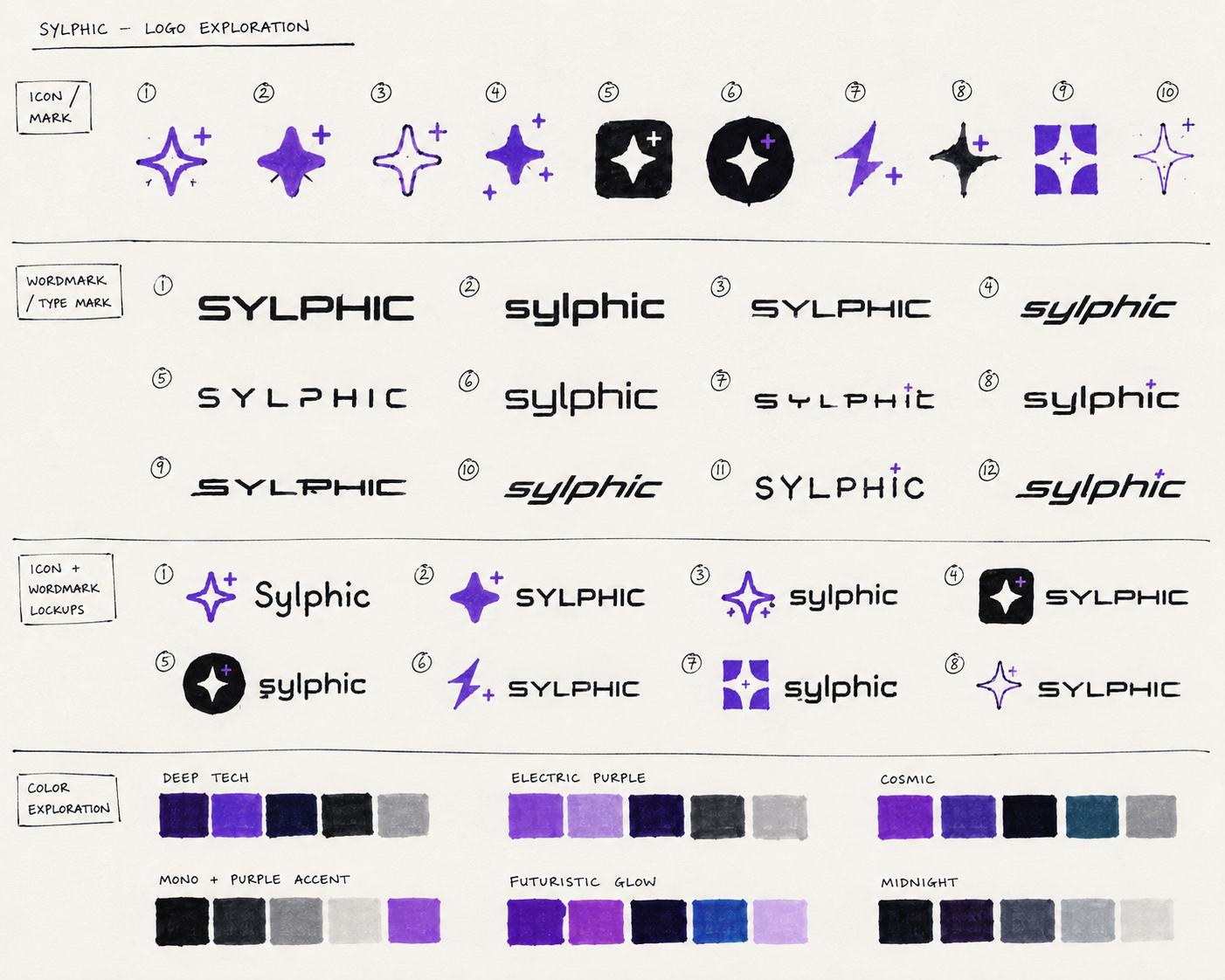
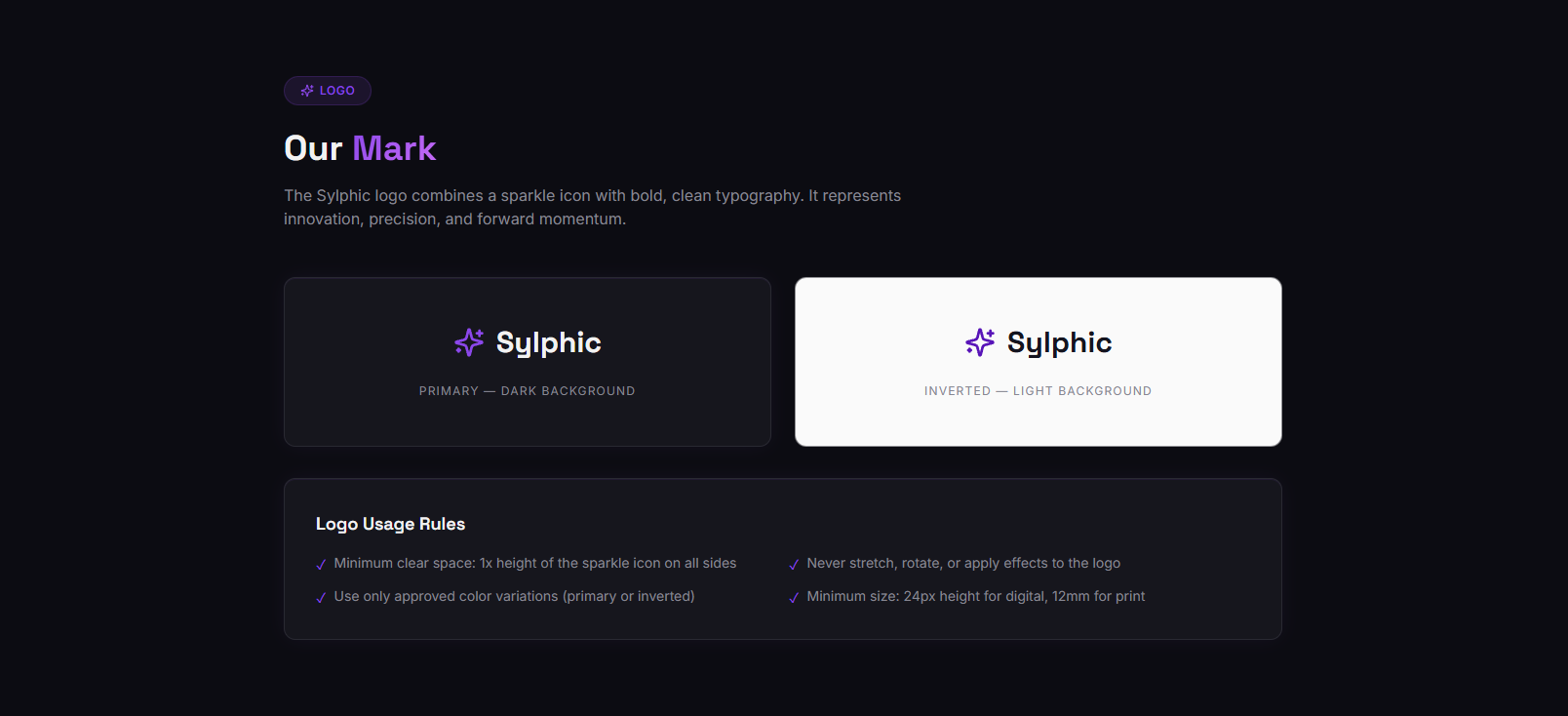
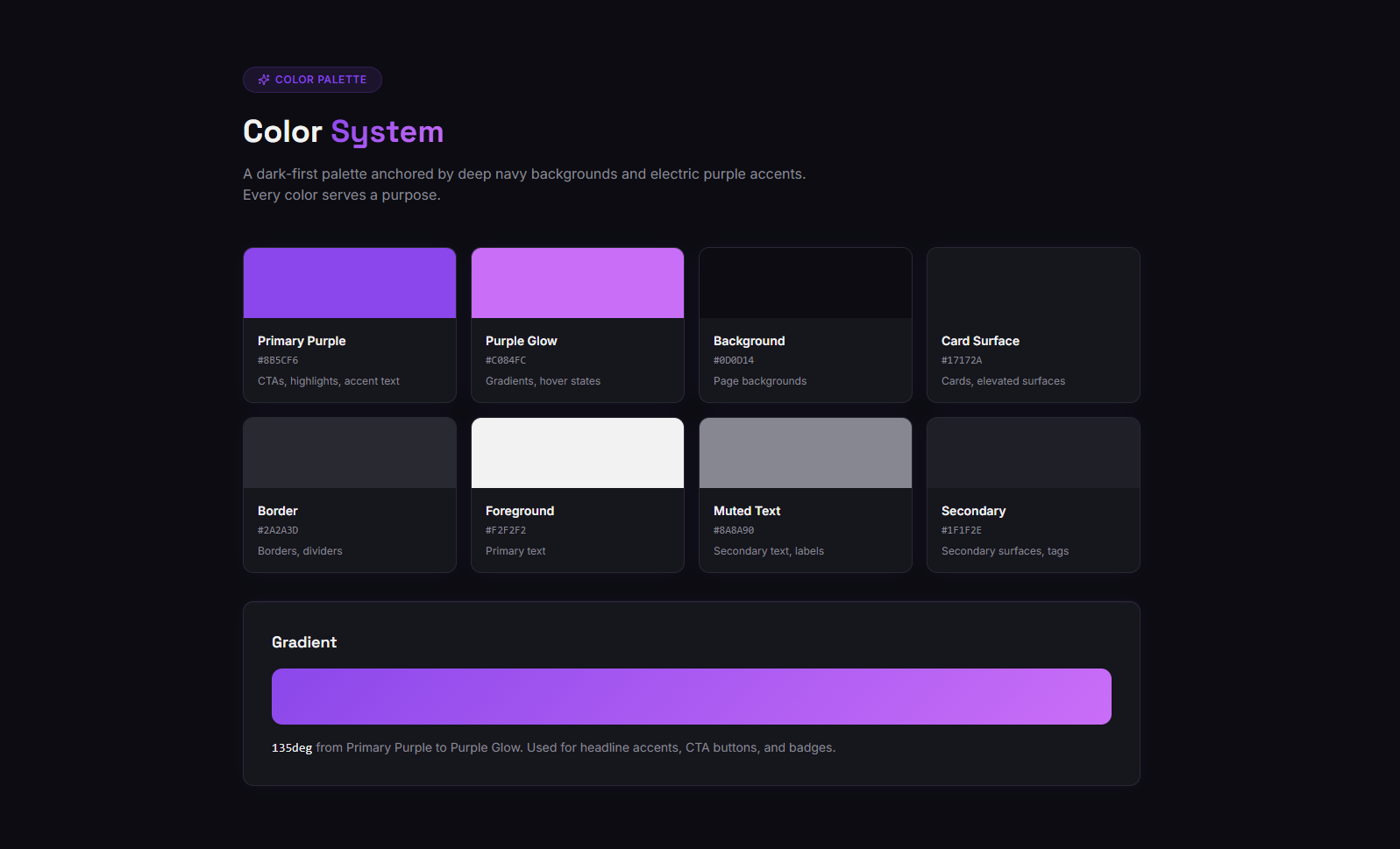
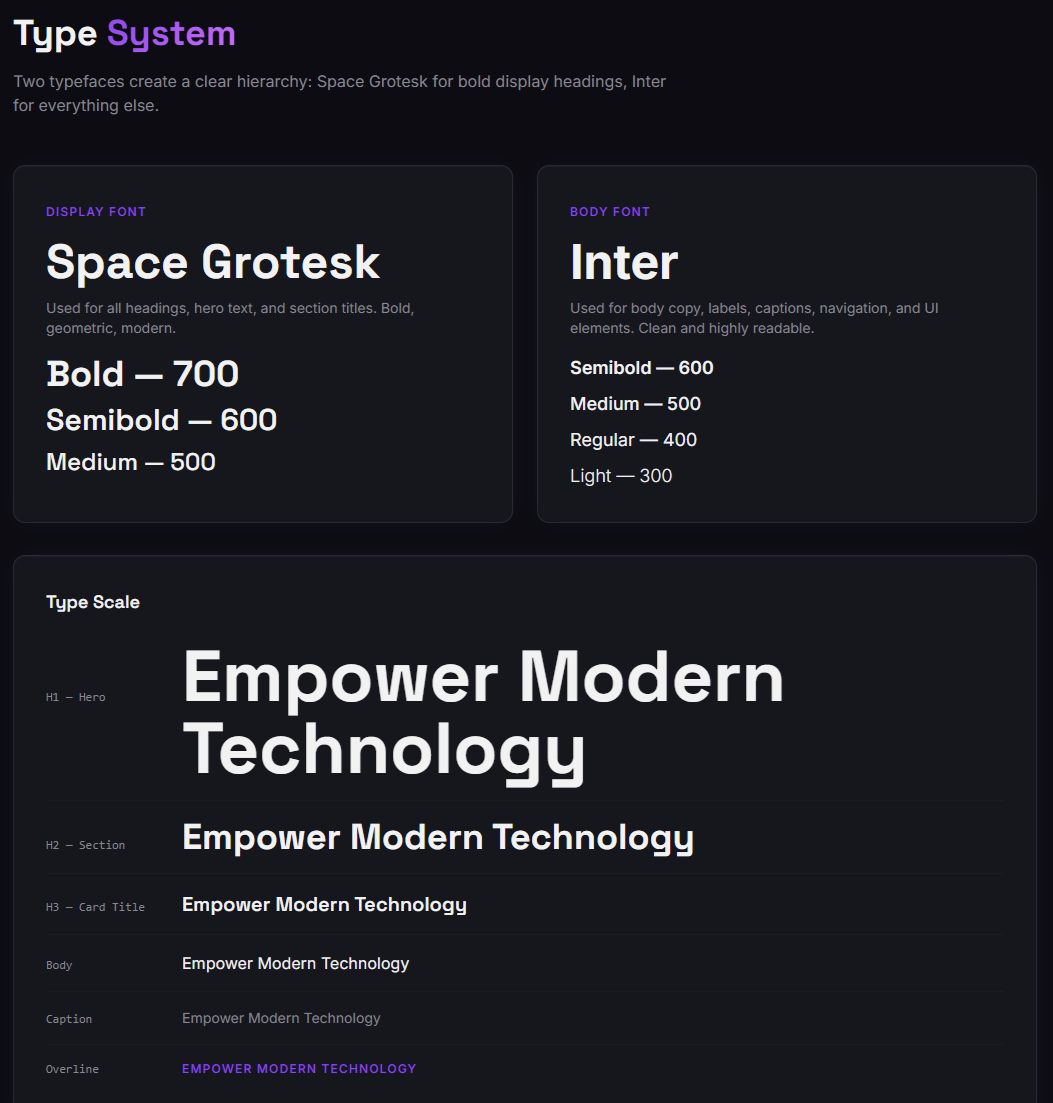
Before any screens got built, Sylphic needed a visual language. I designed brand guidelines around precision and flow: a clean geometric mark, data-fluid gradients, and typography built to feel fast and controlled.
Setting the Brand Foundation
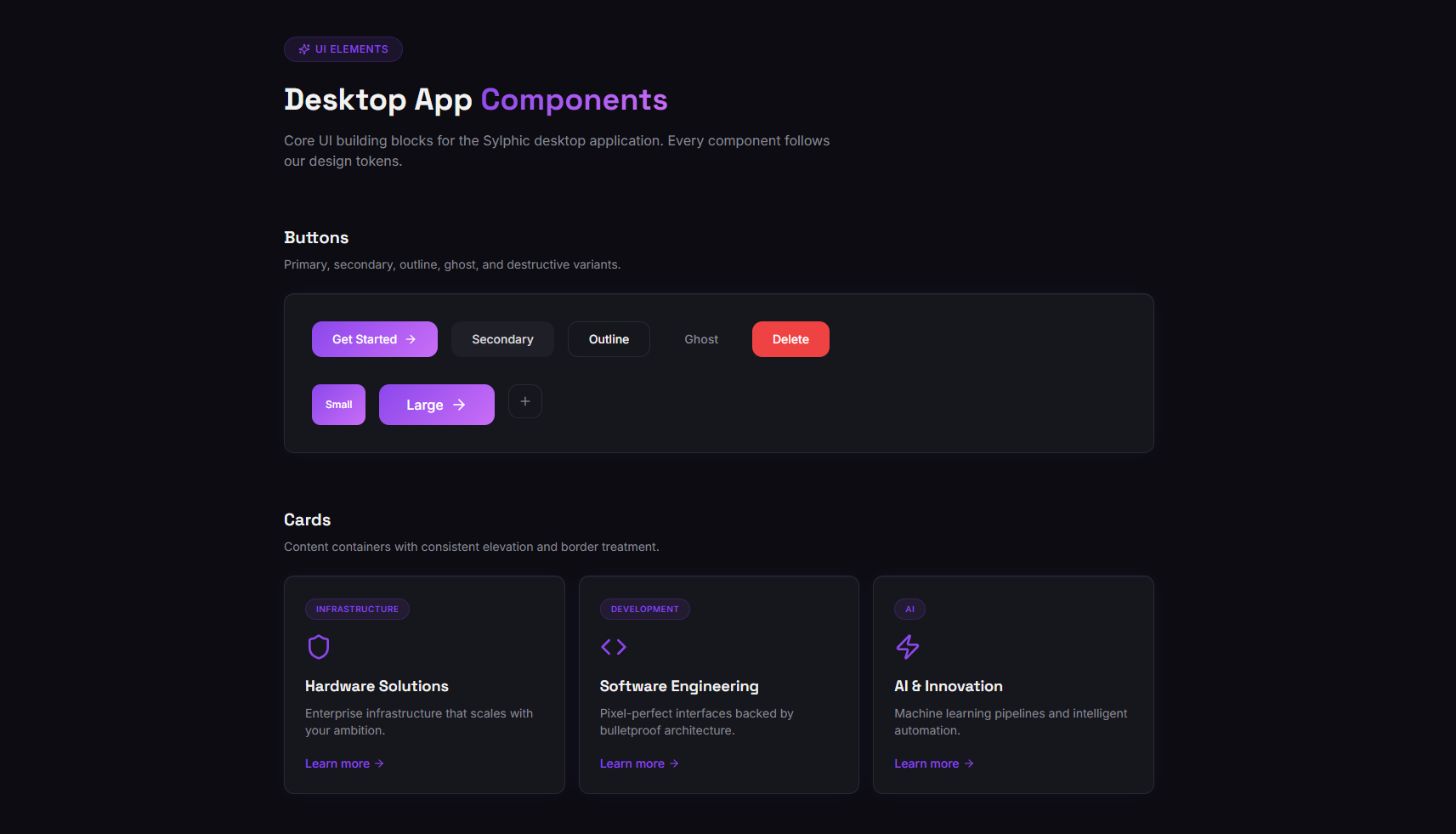
I built out the front end and web presence in Figma, shaped directly by user feedback and by watching people actually use the app. Design decisions came from behavior, not assumptions.
Designing for Real Users
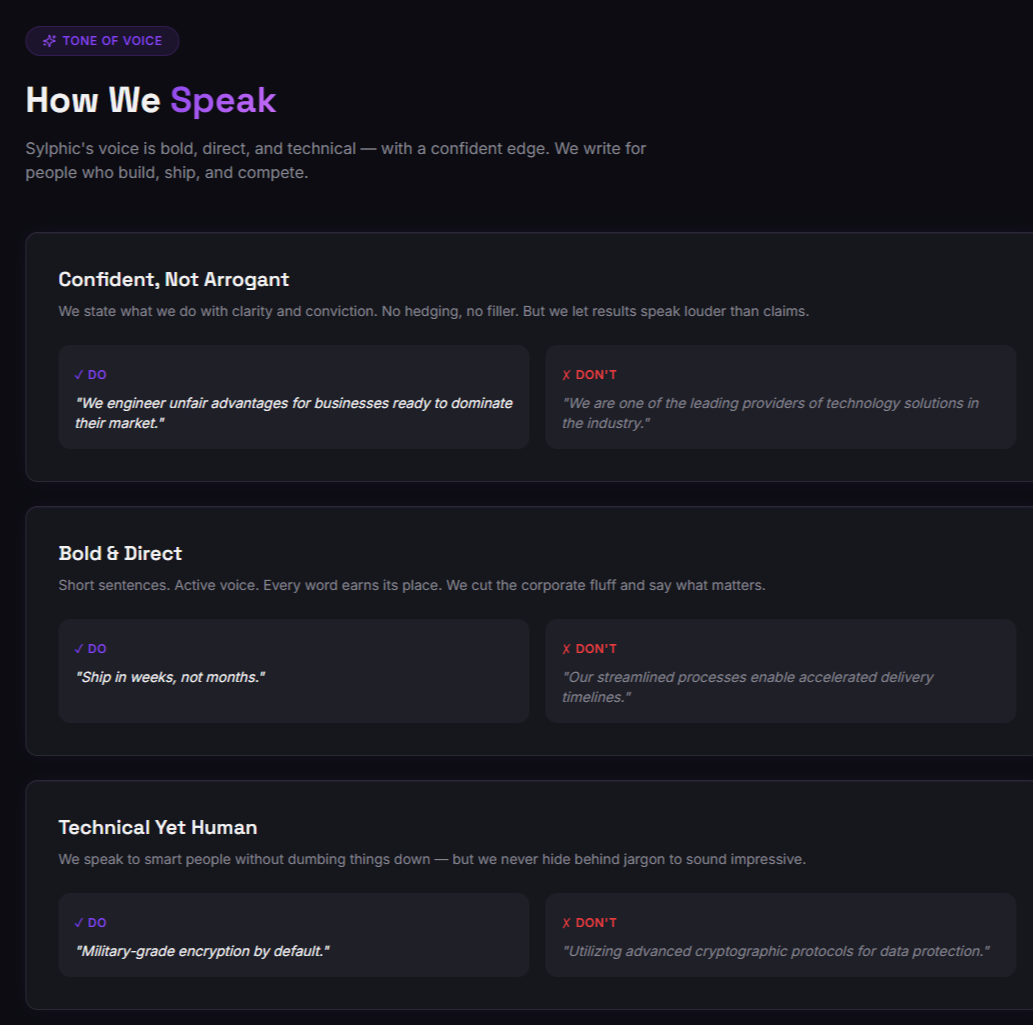
Several rounds of iteration stripped friction out of the experience. The adaptive layout for real-time analytics became the anchor for the whole interface. Having a cohesive brand and tone of voice help the consumer know exactly what’s going on.
Iterating Toward Clarity
Once the design held up under real usage, it was ready to hand off to development, or in this case, to build myself.
Preparing for Build
From Prototype to Product
Using Figma alongside Claude Code and Windsurf, I built out the final prototype myself rather than handing designs off and waiting. AI code assistants let me move at a pace that matched the rest of the team.
Building with AI-Assisted Tools
We tested the build, made adjustments based on real usage, and prepared the V1 release.
Testing and Refinement
Launch-Ready V1
The final product balanced the complexity of the underlying technology with an interface simple enough for the target audience to trust immediately.
Extending Into Marketing
The team liked the work enough to bring me back for a marketing package: website, nine social posts, and supporting graphics for site and marketing use.
"Griffin was a huge help. We were so close to our product that we knew it was good, we just didn't know how to showcase it. After talking with Griffin, we got to the root of the problem: our product was designed for engineers, not for people. He took our requests and must-haves and turned them into a beautiful, functional application."
- Rebecca Nguyen, Senior Manager at KPMG